From Dependent to Decision-Maker: How Saudi Arabia's Female Financial Revolution Is Rewriting the Rules of Middle Eastern Banking

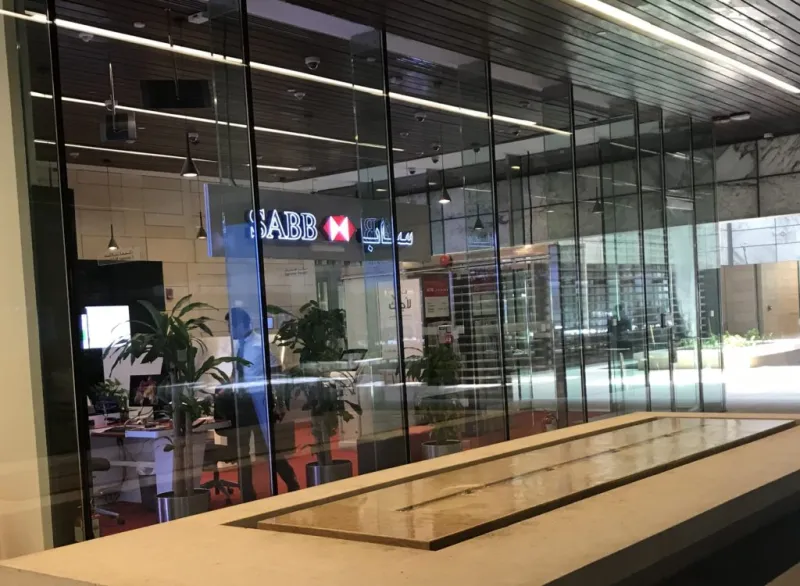
Photo: Sonia Sevilla, CC0, via Wikimedia Commons
For much of the 20th century, Saudi Arabian women navigated a financial system that was, by design, not built for them. Guardianship laws restricted independent banking activity, entrepreneurship was a bureaucratic obstacle course, and investment platforms were largely the domain of male household heads. That picture has changed — rapidly and deliberately — and the implications for Middle Eastern finance are substantial.
Today, Saudi women represent one of the most consequential emerging consumer segments in the region's banking industry. For American financial professionals, policymakers, and expatriates working in the Kingdom, this transformation is not merely a social milestone. It is a market signal worth serious attention.
The Policy Foundations of a Banking Shift
The transformation began in earnest with Saudi Arabia's Vision 2030 initiative, the sweeping economic diversification strategy launched under Crown Prince Mohammed bin Salman. Among its core benchmarks: raising female labor force participation from roughly 17 percent in 2017 to 30 percent by 2030. That target has already been surpassed, with participation rates exceeding 33 percent as of recent reports — a figure that would have seemed implausible a decade ago.
Legislative changes reinforced the momentum. Amendments to guardianship laws beginning in 2019 allowed women over 21 to obtain passports, travel independently, and — critically — register businesses and open bank accounts without male co-signatories. The practical effect on banking behavior was immediate. Financial institutions reported sharp increases in new account openings from female customers, and demand for products tailored to women's financial needs began to outpace what legacy offerings could accommodate.
Dedicated Products and Platforms: What Saudi Banks Are Building
Saudi financial institutions have not been passive observers of this demographic shift. Several of the Kingdom's largest banks have introduced dedicated programs and product lines aimed specifically at women.
Al Rajhi Bank, one of the world's largest Islamic banks, has expanded its digital banking infrastructure to streamline onboarding for female customers, including Sharia-compliant investment portfolios accessible through mobile platforms. Riyad Bank has developed financing packages specifically structured for female entrepreneurs, featuring reduced collateral requirements and extended repayment windows designed to accommodate the realities of early-stage business ownership.
Perhaps most notable is the rise of micro-financing initiatives targeting women in Saudi Arabia's emerging gig economy and small business sector. The Social Development Bank, a government-affiliated institution, has disbursed billions of riyals in micro-loans to female-led ventures, with sectors ranging from artisanal food production to digital services and e-commerce.
For American expats living and working in Saudi Arabia, these developments carry practical relevance. Female expatriates who previously faced friction when establishing local banking relationships — particularly those without employer-sponsored account setups — report a meaningfully improved experience navigating the Kingdom's banking infrastructure.
Fintech as the Great Equalizer
If legislation opened the door, fintech has widened it considerably. Saudi Arabia's Central Bank, known as SAMA, has cultivated a regulatory sandbox environment that has attracted a wave of fintech startups, many of which have identified women's financial inclusion as a core market opportunity.
Platforms offering digital savings tools, automated investment portfolios, and peer-to-peer business financing have grown their female user bases at rates that outpace overall market growth. The BNPL (Buy Now, Pay Later) sector, already a major force in the Kingdom's consumer finance landscape, has seen disproportionate uptake among Saudi women, reflecting both increased purchasing power and comfort with digital financial tools.
This fintech-driven accessibility has a lesson embedded within it that American institutions would do well to study. The United States has its own persistent gaps in financial inclusion along gender lines — women-owned small businesses, for instance, continue to receive a disproportionately small share of venture capital and traditional small business lending. Saudi Arabia's model of using regulatory incentives and digital infrastructure to close those gaps offers a replicable framework, even if the cultural context differs substantially.
Entrepreneurship Ecosystems and Investment Access
Beyond banking products, the Kingdom has invested heavily in entrepreneurship infrastructure that intersects with the financial sector. Monsha'at, Saudi Arabia's Small and Medium Enterprises General Authority, operates programs explicitly designed to reduce the barriers female founders face when accessing capital. These include mentorship pipelines, government-backed loan guarantees, and accelerator programs co-developed with private sector financial institutions.
On the investment side, Saudi women are increasingly active participants in the Tadawul, the Kingdom's stock exchange. Educational campaigns by both SAMA and the Capital Market Authority have targeted female investors as a growth demographic, offering resources in Arabic and English that demystify equity investing, sukuk (Islamic bonds), and mutual fund participation.
For American investors watching this space, the growth of a newly financially empowered female consumer class in Saudi Arabia has direct implications for the sectors most likely to see capital inflows — consumer goods, healthcare, education technology, and professional services among them.
What American Financial Institutions Can Learn
The Saudi experience offers a compelling case study in what happens when policy reform, institutional adaptation, and fintech innovation converge around a previously underserved demographic. The pace of change has been faster than many Western analysts anticipated, and the financial products that emerged were not simply cosmetic rebrands of existing offerings — they were structurally redesigned to address real barriers.
American banks and fintech companies exploring Middle Eastern partnerships or market entry would benefit from engaging with this dynamic directly. Female-focused financial products in Saudi Arabia are not niche offerings — they are increasingly mainstream, and the institutions that understood this early have captured significant market share.
For expatriates already living in the Kingdom, the practical takeaway is straightforward: the banking environment for women has improved substantially, and the range of services available — from digital investment accounts to business financing — is broader and more accessible than it was even five years ago. Staying informed about these developments is not just professionally useful. For anyone with financial interests in the region, it is increasingly essential.